Ebola Response Efforts Struggle to Keep Pace as Cases Continue to Rise in Central Africa
As the Ebola epidemic in the Democratic Republic of the Congo (DRC) continues to accelerate, international health organizations are warning that response efforts are struggling to keep pace with the rapid spread of the disease.
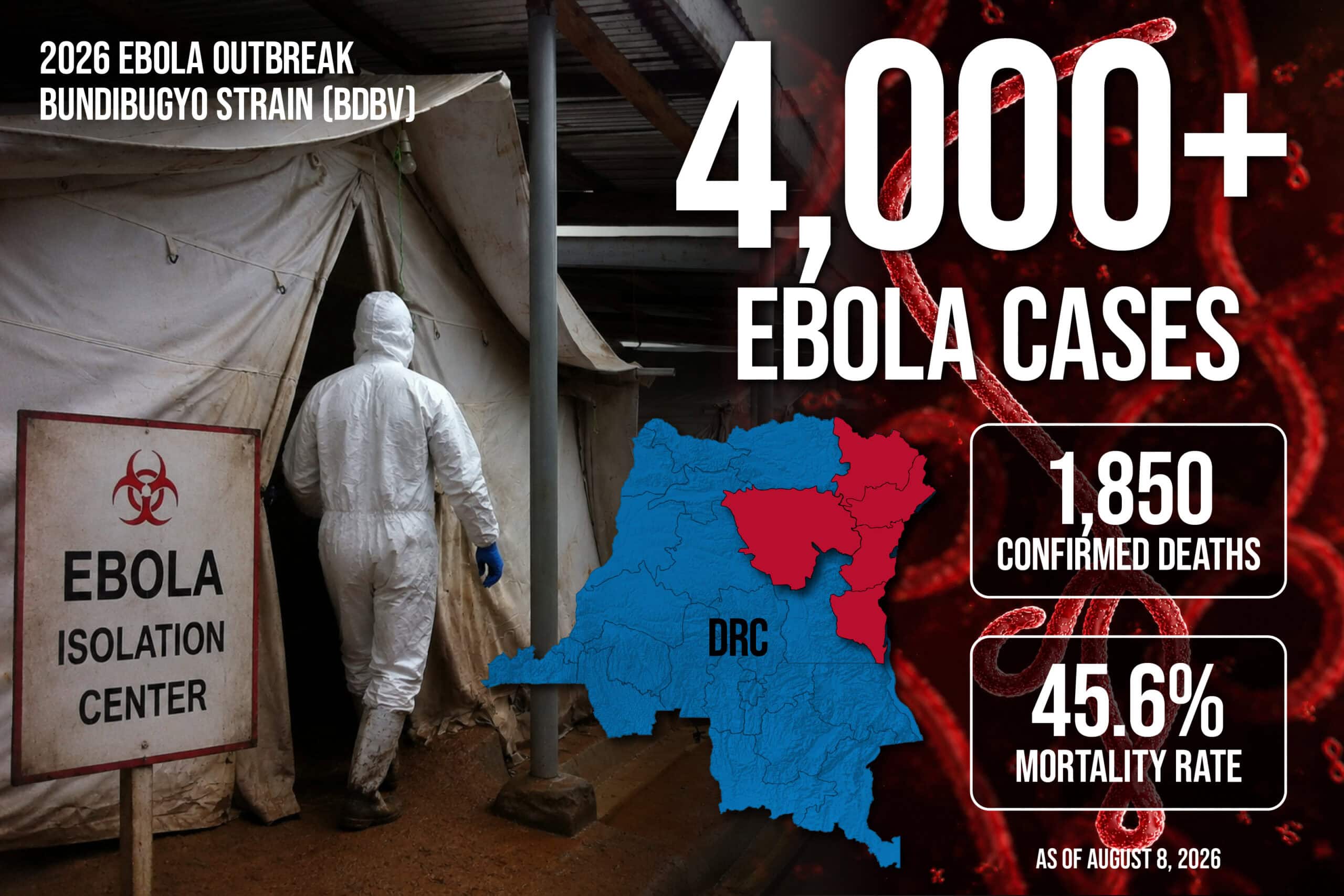
According to the Democratic Republic of the Congo Ministry of Health’s Situation Report (August 5, 2026), the outbreak has reached 4,053 confirmed cases and 1,850 confirmed deaths, resulting in a 45.6% case fatality rate (CFR). Cases have now been confirmed across five provinces—Ituri, North Kivu, South Kivu, Haut-Uele, and Tshopo—with continued spread placing extraordinary pressure on healthcare infrastructure and response operations. The latest figures make this the second-largest Ebola epidemic on record after the 2014–2016 West Africa outbreak. While the West Africa epidemic remains the largest in history with more than 28,000 reported cases, health officials describe the current outbreak as the fastest-growing Ebola epidemic ever recorded.
WHO Director-General Dr. Tedros Adhanom Ghebreyesus recently warned that “the outbreak is outpacing the response,” emphasizing that healthcare infrastructure, treatment capacity, and response resources must be rapidly expanded to bring transmission under control.
Scaling Up Every Pillar of the Ebola Response
The World Health Organization, Africa CDC, and the Government of the Democratic Republic of the Congo are urgently calling for additional international support across every pillar of the Ebola response.
These response pillars include:
- Disease surveillance and rapid case detection
- Laboratory testing and diagnostics
- Patient isolation and treatment
- Infection prevention and control (IPC)
- Contact tracing and monitoring
- Community engagement and public education
- Safe and dignified burials
- Vaccination campaigns
- Healthcare workforce support
- Logistics, supply chains, and emergency medical infrastructure
Recognizing the growing humanitarian crisis, the U.S. Department of State announced an additional $242 million in emergency assistance this week to support the Ebola response, supplementing the $350 million previously committed to the Democratic Republic of the Congo, South Sudan, and Uganda.
Humanitarian Conditions Continue to Complicate Response Operations
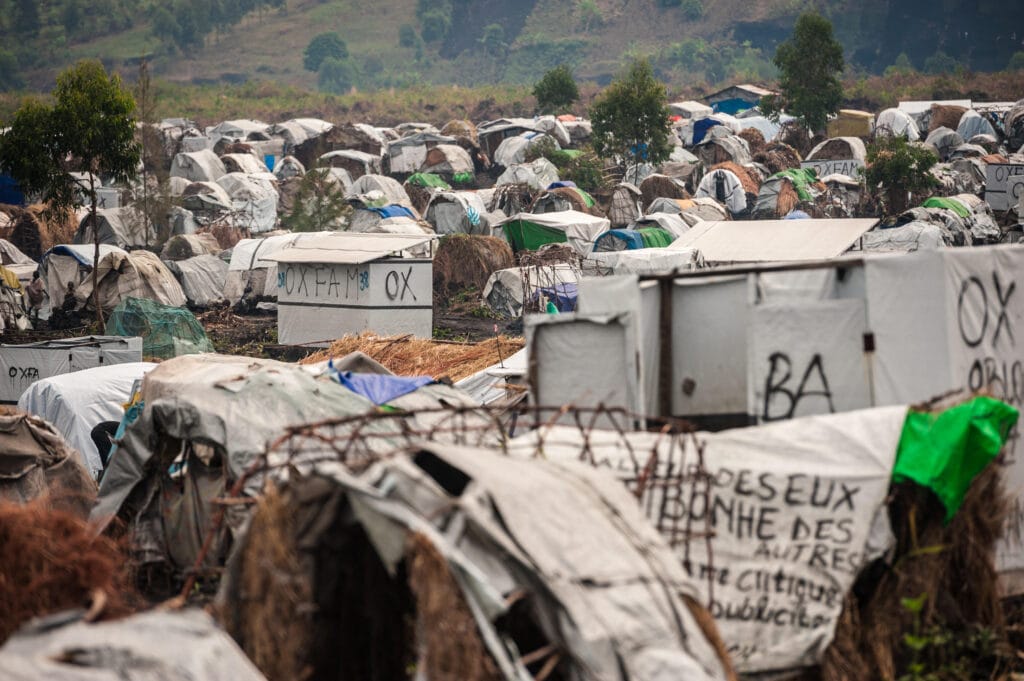
Many of the hardest-hit communities are located throughout Ituri Province, where prolonged conflict has displaced thousands of families into internally displaced persons (IDP) camps.
According to the United Nations, Ituri Province is now home to 69 displacement camps, where overcrowding, limited access to clean water, inadequate sanitation infrastructure, and continuous population movement significantly increase the challenges associated with infectious disease control.
These conditions make every aspect of the Ebola response more difficult—from identifying infected patients and tracing contacts to safely isolating and treating individuals while protecting healthcare workers from exposure.
Infrastructure Matters During Infectious Disease Response
While temporary tents can provide immediate shelter during humanitarian emergencies, infectious disease response requires far more than simply placing patients under cover.
Purpose-built medical isolation facilities provide controlled treatment environments designed specifically for healthcare operations. Integrated negative-pressure airflow systems, HEPA filtration, controlled patient-movement areas, durable flooring, temperature-controlled interiors, and engineered structures capable of remaining operational for months provide a substantially safer environment for both patients and healthcare workers than temporary event-style shelters.
For healthcare providers working in remote environments, durable medical infrastructure is not simply a matter of comfort—it is an important component of infection prevention, operational continuity, and healthcare worker safety.
BLU-MED Response Systems® Readiness
BLU-MED Response Systems® (BLU-MED®) currently maintains three (3) fully equipped 50-bed Negative Pressure Isolation Facilities (NPIS) ready for immediate deployment in support of infectious disease response operations worldwide. Additional negative pressure isolation facilities, mobile field hospitals, and treatment centers can be rapidly manufactured and deployed to support expanding response efforts.
If your organization requires immediate deployment capability, contact BLU-MED® today by calling +1-425-739-2795 or complete our online contact form to discuss availability.
Proven During the West Africa Ebola Response
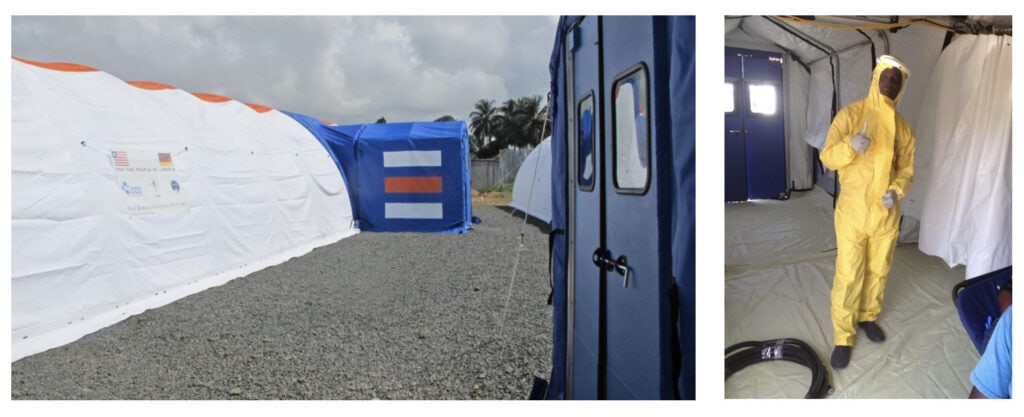
When West Africa experienced the largest Ebola epidemic in history between 2014 and 2016, government agencies, humanitarian organizations, and healthcare providers relied on rapidly deployable medical infrastructure to help expand treatment capacity in remote communities where permanent healthcare facilities were either limited or overwhelmed.
BLU-MED® Negative Pressure Isolation Facilities were deployed in Liberia to support Ebola containment operations, providing rapidly deployable, military-grade medical infrastructure specifically designed for patient isolation and infectious disease response.
Unlike lightweight temporary shelters frequently utilized during humanitarian emergencies, BLU-MED® medical facilities are engineered for long-term healthcare operations and biological containment. Designed to withstand high winds and severe weather while providing temperature-controlled treatment environments when equipped with BLU-MED® Environmental Control Units (ECUs) and HEPA Filtration Systems, these facilities enable healthcare organizations to safely sustain operations in some of the world’s most challenging environments.
As health officials work to expand every pillar of the current Ebola response, access to purpose-built medical isolation infrastructure will remain essential for protecting healthcare workers, improving patient care, and helping contain the spread of one of the world’s deadliest infectious diseases. BLU-MED® works directly with governments, communities, response agencies, and relief organizations worldwide to rapidly deploy medical facilities when and where they are needed most. To discuss your medical facility requirements or immediate deployment needs, contact BLU-MED® today by calling +1-425-739-2795 or completing our online contact form.