2026 Ebola Outbreak Update: DRC Response Faces Growing Operational Challenges
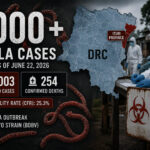
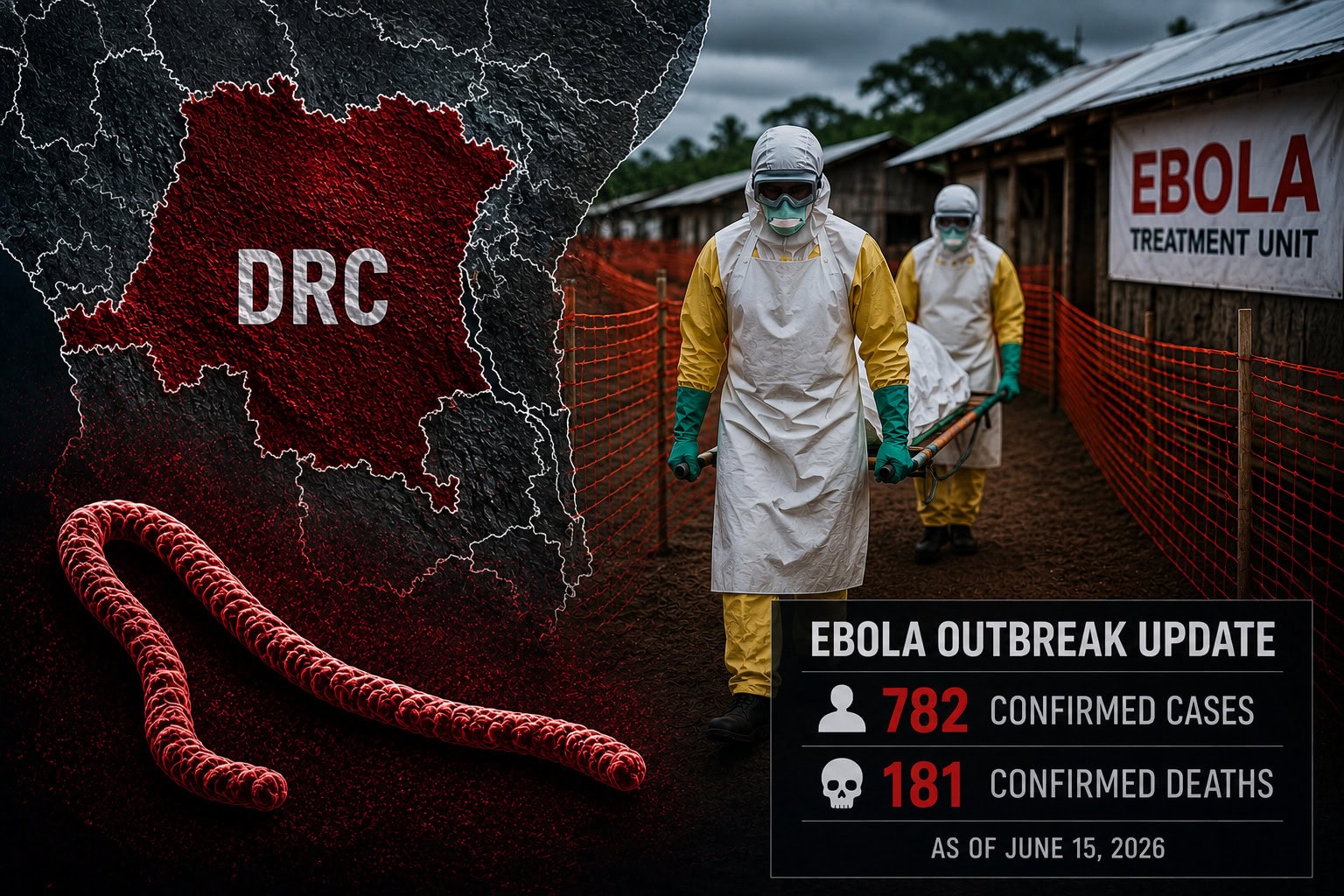
As of June 15, 2026, health officials in the Democratic Republic of the Congo (DRC) have reported 782 confirmed Ebola cases and 181 confirmed deaths. Neighboring Uganda has also reported 19 confirmed cases linked to cross-border transmission. The current outbreak has become the third-largest Ebola outbreak recorded in the DRC, underscoring the scale and complexity of the ongoing response.
Recent reporting suggests that the rise in confirmed cases reflects not only ongoing transmission but also improvements in case detection, contact tracing, and more comprehensive record-keeping across affected regions. While these advancements provide a clearer understanding of the outbreak’s scope, response teams continue working to contain the virus under increasingly challenging conditions.
Among the key challenges is continued pressure on medical supply chains, including personal protective equipment (PPE) and other critical consumables required for frontline care. Public health systems are also managing significant operational demands as healthcare workers, emergency response agencies, municipalities, government organizations, and humanitarian teams coordinate surveillance, patient care, and containment efforts across diverse, often challenging environments.
Contact tracing remains especially complex in highly mobile and remote populations, where infrastructure limitations can slow response efforts. The outbreak is also occurring in a region affected by ongoing conflict and population displacement, creating additional logistical and security challenges for response teams.
Cultural sensitivities surrounding the handling and burial of deceased patients, combined with community mistrust during the early stages of the response, have further complicated containment efforts. In some areas, these tensions contributed to resistance against response operations, including attacks on temporary treatment infrastructure.
Recent changes in international aid structures and global funding allocations are widely believed to hinder operational readiness and may affect the speed and scale of outbreak response efforts in affected regions.
A further challenge in the current outbreak is the virus strain itself. The 2026 outbreak involves the Bundibugyo strain of Ebola, for which there is currently no approved vaccine, making early detection, patient isolation, and coordinated public health measures especially important.
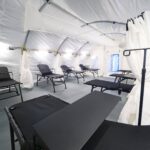
For more than two decades, BLU-MED Response Systems® has remained committed to equipping organizations, first responders, healthcare providers, municipalities, government agencies, and humanitarian teams with deployable medical infrastructure to strengthen emergency preparedness and response capabilities in challenging environments worldwide.